Cooking Up Life Skills!
At Hope House, life skills aren’t just something we talk about – they’re something our kids actually practice.
Recently, we hosted a “Fix-It Night,” where everyone jumped in to take care of a few things around the house. We patched small spots in the drywall, tightened loose screws on dining room chairs, organized game drawers, and handled a handful of simple repairs that often get overlooked. It wasn’t glamorous, but it was practical. The kids learned how to use basic tools, problem-solve, and take ownership of the space they live in – and they loved it!
While Fix-It Night was a great hands-on experience, there’s no question what the favorite life skill activity has been:
Cooking!
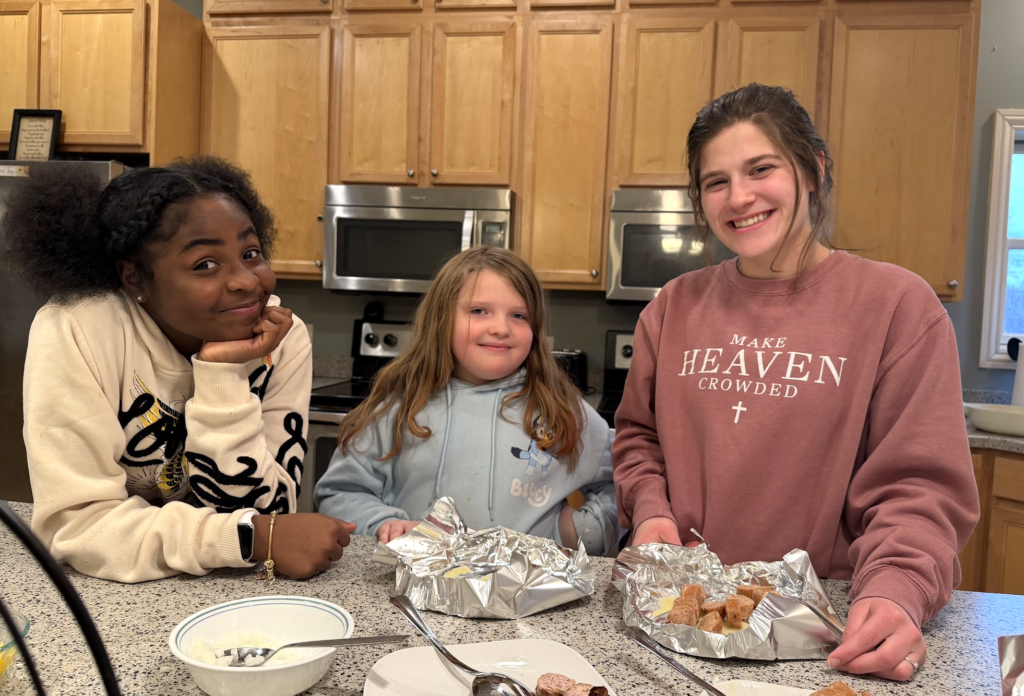
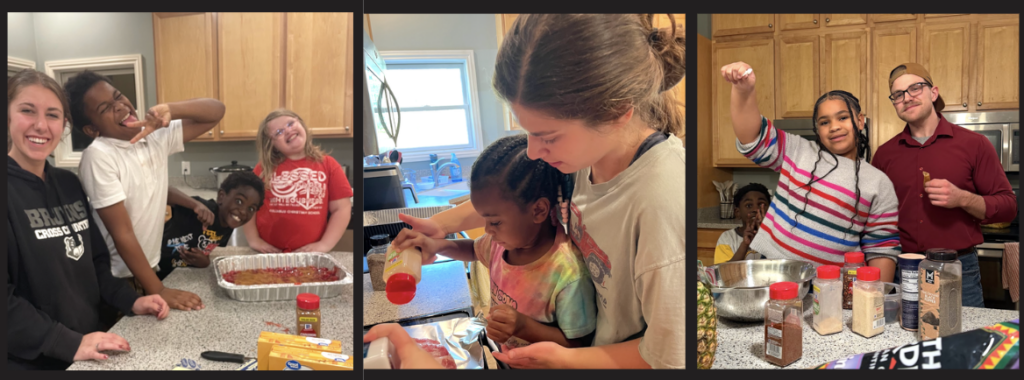
We have different dinner helpers each evening, who rotate among the kids each week. When the kids hear they’re helping make dinner, the energy shifts immediately. The kitchen fills up fast. Instead of waiting for a meal to be served, they’re asking what’s on the menu and how they can help. Whether it’s homemade fried chicken, chip dips, or buffalo wings for dinner, they want in.
Cooking nights are active. Someone is measuring flour. Someone else is seasoning chicken. Another is carefully stirring a bowl of dip, making sure it tastes “just right.” There’s learning happening in real time – how to follow a recipe step-by-step, how to manage heat on the stove, and how to clean up afterward.
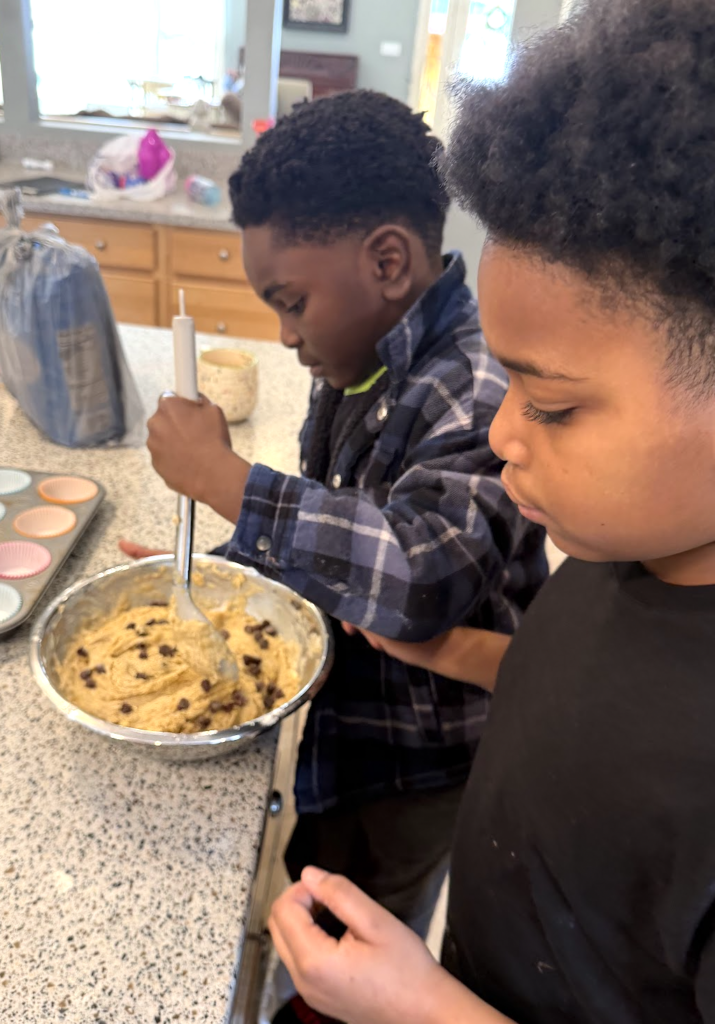
They’re not just watching. They’re doing.
Cooking teaches practical, lifelong skills. It shows our kids how to prepare a meal from start to finish, how to read and follow instructions, how to clean as they go, and how to work safely. They learn the importance of teamwork when one student mixes while another preps. They learn responsibility when it’s their job to watch the oven timer. They learn to plan when they help decide which ingredients are needed and how much to make. They see what goes into the food they eat. They understand the time, effort, and planning required. They learn that dinner doesn’t just “happen” – it’s created.
There’s also a natural teamwork component. One student might bread the chicken while another monitors the oil. Someone sets the table while someone else mixes the sauce. They have to communicate, share space, and stay focused on a common goal: getting the meal on the table.
And when it’s finally time to eat, there’s a clear difference. The conversation is louder. Their excitement is higher. They’re quick to point out which part they made. “I did the wings.” “I seasoned that.” “I made the dip.”
It’s practical, but it’s also teaching skills they’ll use for life.
At Hope House, life skills are about preparation for the future. Knowing how to patch a wall or tighten a screw is valuable. Knowing how to cook a meal, measure ingredients, and feed yourself, and eventually others, is essential.
Helping cook dinner may seem simple, but it’s building habits that will carry far beyond our walls. The goal isn’t just to make good food. It’s to help our kids grow in confidence, responsibility, and independence. And it makes for great memories that the kids talk about for many days after the meal!